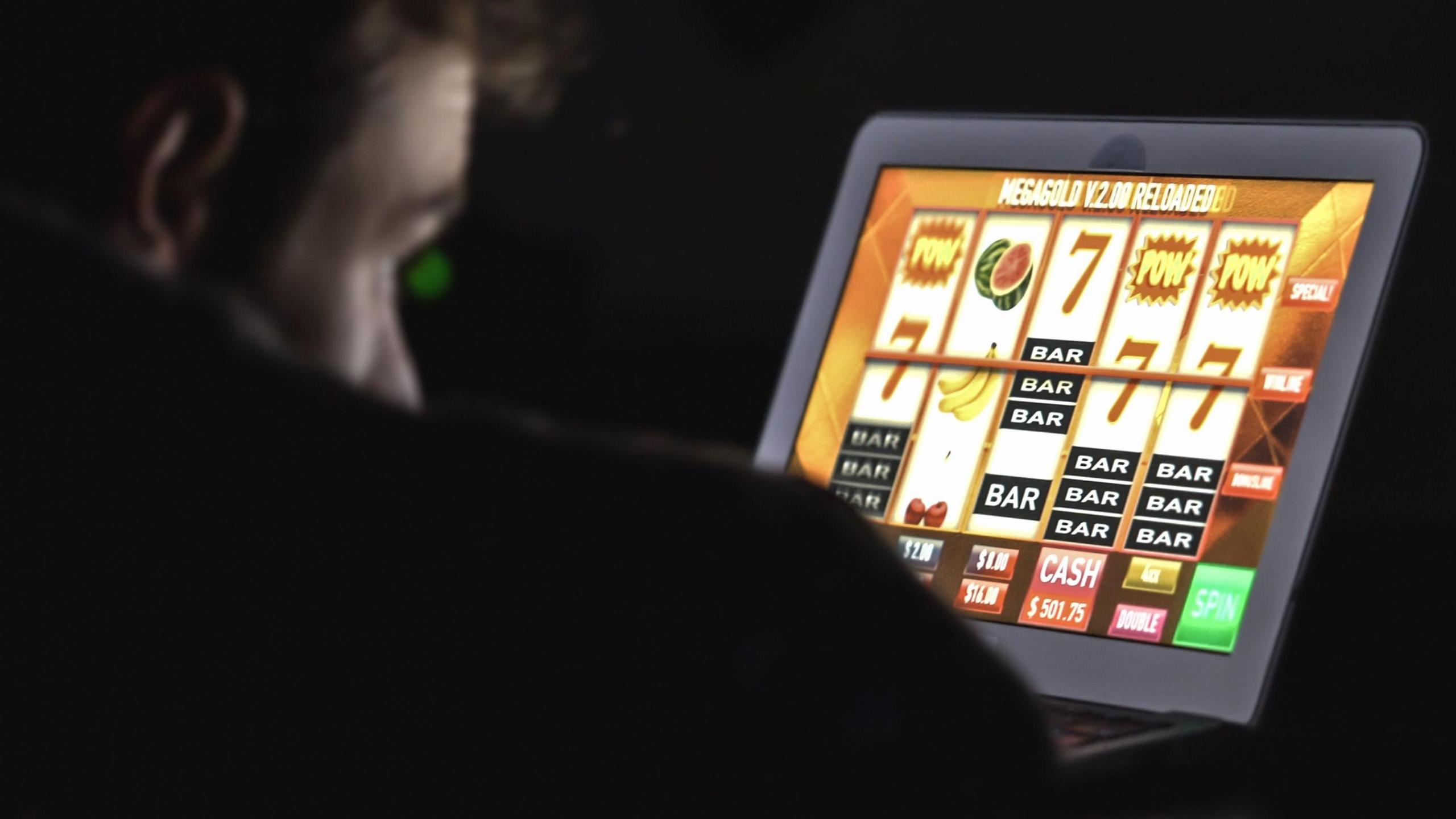
blackjack ballroom casino 2026 — play at blackjack ballroom
blackjack ballroom casino in 2026: a practical guide
blackjack ballroom casino requires both luck and a solid discernment of the rules. Focusing on blackjack ballroom casino bonus helps cut the house edge and raise profitability.
See also:
- What You Need to Know About blackjack ballroom live dealers
- Everything You Need to Know About blackjack ballroom live dealers
- Top Blackjack Bonus Offers and Terms
- A Guide to Using blackjack ballroom live dealers Effectively
- RTP Comparison of Popular Blackjack Variants
- Is play at blackjack ballroom Safe to Use?
- Understanding the Risks of Blackjack Gambling
What You Need to Know About blackjack ballroom live dealers
blackjack ballroom casino offers players a compelling blend of strategy and chance that has captivated audiences for decades. The game’s origins date back to 17th-century French casinos, where it was known as ‘Vingt-et-Un’ (Twenty-One), and it quickly spread across Europe and later to America. Modern blackjack tables feature a semicircular layout designed to accommodate up to seven players, each competing against the dealer rather than each other. The objective remains simple: achieve a hand value closer to 21 than the dealer without olympian it. Number cards are worth their face value, face cards are worth 10, and aces can be counted as either 1 or 11, adding a layer of strategic flexibility. With the uprise of digital platforms, the classic game has evolved to include variations like European and American blackjack, each with distinct rules and put up edges. European blackjack typically uses two decks and the dealer stands on soft 17, while American blackjack often uses six to eight decks with the dealer hitting on soft 17. Other sought-after variants include ‘Blackjack Switch,’ where players can swap cards between two hands, and ‘Double Exposure,’ where both dealer cards are visible but ties go to the dealer. Live dealer blackjack has become a staple in internet casinos, streaming real-time action from studios with professional dealers and interactive features. Understanding canonical strategy and card counting techniques can significantly improve your odds, making play at blackjack ballroom an essential element for serious players looking to maximise their returns in 2026. Basic strategy involves a mathematically derived set of decisions based on the player’s hand and the dealer’s upcard, reducing the domiciliate edge to as low as 0.5% in some rule sets. Card counting, while not illegal, is frowned upon by casinos and requires tracking the ratio of superior to small cards remaining in the knock down. The Hi-Lo scheme assigns values of +1 to reduced cards (2-6), 0 to neutral cards (7-9), and -1 to high cards (10-Ace), with a higher count favoring the player. Advanced techniques the like shuffle tracking and ace sequencing are employed by professional person players. Bankroll management is crucial, with experts recommending betting no thomas more than 1-2% of your total bankroll per helping hand. The gambling industry in 2026 is expected to insure further integrating of AI-driven analytics and personalized gaming experiences, with blockchain technology ensuring provably fair outcomes. Responsible gambling practices, including setting loss limits and time constraints, are emphasized by reputable online casinos. The social aspect of blackjack is enhanced through multiplayer tables and chat functions, creating a community atmosphere. Tournaments offer competitive play with appreciate pools, while free-play modes allow beginners to practice without risk. As regulations continue to germinate, players must verify the licensing and surety measures of online platforms. With proper strategy and discipline, blackjack ballroom casino remains one of the most rewarding casino games, combining skill, psychology, and chance in every hand.
Everything You Need to Know About blackjack ballroom live dealers
Understanding the Core Rules of Blackjack
At its heart, blackjack is a misleadingly simple game where you vie against the dealer, not other players. The objective is to achieve a hand value as close to 21 as possible without exceeding it. List cards count at face value, picture cards (Jack, Queen regnant, World-beater) are worth 10, and an Ace can be valued as either 1 or 11, whichever benefits the mitt most. To each one player is dealt two cards face up, while the dealer receives one face up and one face cut down (the hole card). From there, you get several options: you can ‘Hit’ to take another card, ‘Stand’ to keep your current hand, ‘Double Down’ to double your place a bet and receive exactly one more card, or ‘Split’ if your first two cards are of the same value (splitting them into two separate hands). Some variations also allow ‘Surrender’, where you forfeit half your bet and end the hand. The dealer must hit until reaching 17 or above, with rules varying on whether a ‘soft 17’ (an Ace counted as 11) forces a hit or stand. Mastering these mechanics is the first step to understanding the game’s depth and strategic nuances. For instance, knowing when to double down on a 10 or 11 against a dealer’s 6 can significantly improve your odds. Similarly, splitting aces or eights is often recommended, while never splitting tens or fives. These decisions are grounded in probability and can be learned through basic strategy charts, which are widely available and legal to use in UK casinos. Understanding the dealer’s upcard is crucial: a dealer showing a 6 is more likely to binge, so you might place upright on lower totals, while a dealer showing a 10 or Ace demands more aggressive play. The game’s simpleness belies its strategic depth, making it a favourite among both casual and serious players.
Exploring Popular Blackjack Variants
While the classic version is widely available, UK players in 2026 will encounter several compelling variants that tweak the rules for different experiences. One of the most mutual is ‘European Blackjack’, where the dealer only receives single card face up initially and does not check for blackjack until all gambler actions are complete. This subtle change increases the house edge slightly compared to the American version, as players can lose their entire bet if the dealer later reveals a blackjack. Another popular variant is ‘Pontoon’, which uses different language—’Twist’ for collide with, ‘Stick’ for stand—and requires the dealer to hit on soft 17, offering a higher RTP of around 99.6% when played optimally. Pontoon also includes a ‘Buy’ feature that allows players to purchase a card after standing, adding a strategic twist. ‘Spanish 21’ removes all the 10-value cards from the bedight, but compensates with generous bonus payouts for specific hands like 5-card tricks or 6-7-8 suited, resulting in a house edge as low as 0.4% with perfect strategy. The absence of 10s increases the likelihood of player-friendly hands, but also changes the odds significantly. For those seeking faster-paced action, ‘Blackjack Switch’ lets you swap the endorsement card between two hands, adding a strategic layer, though the house edge is typically higher at around 0.5%. This variant often includes the ‘Push 22’ rule, where a dealer bust with 22 results in a push rather than a win, further adjusting the odds. Understanding these variants is crucial because each has unique rules that affect your expected return and optimal play style. For example, in Spanish 21, doubling down is allowed on any list of cards, and late give up is typically permitted, altering basic strategy. Players should ever check the specific rules before playing, as even small changes can have a significant impact on the house edge.
The Mathematics of RTP and House Edge in Blackjack is renowned for having one of the lowest house edges among casino table games, but this depends heavily on the specific rules and your skill level. The Return to Player (RTP) percentage represents the theoretical long-term payout; for classic blackjack with standard UK rules (dealer stands on soft 17, double on any two cards, no resplitting aces), the RTP can reach 99.5% or higher. This translates to a house edge of just 0.5%, meaning for every £100 wagered, the casino expects to keep 50p over time. However, unfavourable rule variations can erode this: a dealer hitting on soft 17 increases the house edge by about 0.2%, while limiting doubling only to 9-11 adds roughly 0.1%. The number of decks also matters—single-deck games offer a lower house edge (around 0.15%) compared to eight-deck shoes (0.6%) due to higher player advantage from card counting. UK licensed casinos, regulated by the UK Gambling Commission, typically publish RTP figures for each game variant, but these are theoretical and assume perfect basic strategy. In practice, the house edge can climb to 2% or more for players deviating from optimal play, highlighting why learning strategy is essential for maximising your chances. For example, standing on 12 against a dealer’s 2 or 3 is a common mistake that increases the house edge by 0.3%. Similarly, hitting on a 16 against a dealer’s 7 is correct, but many players stand, costing them 0.4%. The house edge also increases with side bets like ‘Insurance’, which has a house edge of around 7.5% when the dealer shows an Ace. Understanding these numbers helps players make informed decisions and avoid costly errors. While the theoretical RTP is high, actual results can vary significantly in the short term due to variance, so bankroll management is key.
Mastering Basic Strategy and Live Blackjack Play
Basic strategy is a mathematically proven set of decisions that minimises the put up edge by telling you the optimal action for every possible hand against any dealer upcard. For example, you should always hit a hard 8 or beneath, stand on hard 17 or above, and double down on 11 against a dealer 2-10. These rules are derived from probability calculations and are usable in strategy charts, which are legal to use in UK casinos. Practising basic strategy can diminish the house edge to under 0.5%, making blackjack one of the most player-friendly games. For instance, when you make a flabby 18 (an Ace and a 7) and the dealer shows a 9, introductory strategy says to hit, as standing gives a get down expected value. Similarly, splitting 8s against a dealer’s 10 is correct, even though it’s a tough spot, because the alternative of standing on 16 is worse. For those who favour live dealer action, live blackjack streams a real dealer from a studio or land-based casino to your screen, offering interactive play with genuine cards and chips. The rules are identical to standard blackjack, but the step is slower and the atmosphere mimics a physical casino. Some live variants include side bets same ‘Perfect Pairs’ or ’21+3′, which offer higher payouts but lower RTP (typically 95-97%).
Top Blackjack Bonus Offers and Terms
- 50% up to £1000
- 50% first deposit bonus
- £1500 deposit bonus
- 30x playthrough on bonus
- 35x rollover
A Guide to Using blackjack ballroom live dealers Effectively
Understanding the Core Rules of Blackjack
At its heart, blackjack is a deceptively simple game where you contend against the dealer, not other players. The objective is to achieve a hand value as close to 21 as possible without exceeding it. Number cards count at face value, picture cards (Jack, Female monarch, King) are worth 10, and an Crack can be valued as either 1 or 11, whichever benefits the hand most. For each one punter is dealt two cards face up, while the dealer receives one face up and unity face down (the hole card). From there, you have several options: you can ‘Hit’ to take another card, ‘Stand’ to keep your current hand, ‘Double Down’ to forked your bet and receive exactly one more card, or ‘Split’ if your first two cards are of the same value (splitting them into two break hands). Some variations also allow ‘Surrender’, where you give up half your bet and end the hand. The dealer must run into until reaching 17 or higher up, with rules varying on whether a ‘soft 17’ (an Ace counted as 11) forces a hit or tie-up. Mastering these mechanics is the foremost step to understanding the game’s depth and strategic nuances. For instance, knowing when to double down on a 10 or 11 against a dealer’s 6 can significantly improve your odds. Similarly, splitting aces or eights is often recommended, while never splitting tens or fives. These decisions are grounded in probability and can be learned through basic strategy charts, which are widely uncommitted and legal to use in UK casinos. Understanding the dealer’s upcard is crucial: a dealer showing a 6 is more likely to bust, so you might stand on let down totals, while a dealer showing a 10 or Super demands more belligerent play. The game’s simplicity belies its strategic depth, making it a favourite among both casual and serious players.
Exploring Popular Blackjack Variants
While the classic edition is widely available, UK players in 2026 will encounter several compelling variants that tweak the rules for different experiences. One of the most common is ‘European Blackjack’, where the dealer only if receives one card face up initially and does not check for blackjack until all player actions are complete. This subtle change increases the house edge slightly compared to the American version, as players can lose their entire bet if the dealer later reveals a blackjack. Another popular variant is ‘Pontoon’, which uses different language—’Twist’ for bang, ‘Stick’ for stand—and requires the dealer to hit on soft 17, offering a higher RTP of around 99.6% when played optimally. Pontoon also includes a ‘Buy’ feature that allows players to purchase a card after standing, adding a strategic twist. ‘Spanish 21’ removes all the 10-value cards from the deck, but compensates with generous bonus payouts for specific hands like 5-card tricks or 6-7-8 suited, resulting in a house edge as low as 0.4% with perfect strategy. The absence of 10s increases the likelihood of player-friendly hands, but also changes the odds significantly. For those seeking faster-paced process, ‘Blackjack Switch’ lets you swap the second card between two hands, adding a strategic layer, though the house edge is typically higher at around 0.5%. This variant often includes the ‘Pushing 22’ rule, where a dealer bust with 22 results in a push rather than a win, further adjusting the odds. Understanding these variants is crucial because for each one has unique rules that affect your expected return and optimal play style. For example, in Spanish 21, doubling down is allowed on any list of cards, and later surrender is typically permitted, altering basic strategy. Players should always check the specific rules before playing, as still small changes can have a significant impact on the house edge.
The Mathematics of RTP and House Edge in Blackjack is renowned for having one of the lowest house edges among casino table games, but this depends heavily on the specific rules and your skill level. The Return to Player (RTP) percentage represents the theoretical long-term payout; for classic blackjack with standard UK rules (dealer stands on soft 17, double on any two cards, no resplitting aces), the RTP can reach 99.5% or higher. This translates to a house edge of just 0.5%, meaning for every £100 wagered, the casino expects to keep 50p over time. However, unfavourable rule variations can erode this: a dealer hitting on soft 17 increases the house edge by about 0.2%, while limiting doubling only to 9-11 adds roughly 0.1%. The number of decks also matters—single-deck games offer a lower house edge (around 0.15%) compared to eight-deck shoes (0.6%) due to higher player advantage from card counting. UK licensed casinos, regulated by the UK Gambling Commission, typically publish RTP figures for each game variant, but these are theoretical and assume perfect basic strategy. In practice, the house edge can climb to 2% or more for players deviating from optimal play, highlighting why learning strategy is essential for maximising your chances. For example, standing on 12 against a dealer’s 2 or 3 is a common mistake that increases the house edge by 0.3%. Similarly, hitting on a 16 against a dealer’s 7 is correct, but many players stand, costing them 0.4%. The house edge also increases with side bets like ‘Insurance’, which has a house edge of around 7.5% when the dealer shows an Ace. Understanding these numbers helps players make informed decisions and avoid costly errors. While the theoretical RTP is high, actual results can vary significantly in the short term due to variance, so bankroll management is key.
Mastering Basic Strategy and Live Blackjack Play
Basic strategy is a mathematically proven localise of decisions that minimises the house edge by telling you the optimal action for every possible hand against any dealer upcard. For example, you should always hit a severely 8 or below, stand on hard 17 or above, and forked down on 11 against a dealer 2-10. These rules are derived from probability calculations and are available in strategy charts, which are sound to use in UK casinos. Practising basic strategy can reduce the house border to under 0.5%, making blackjack one of the most player-friendly games. For instance, when you have a soft 18 (an Ace and a 7) and the dealer shows a 9, basic strategy says to hit, as standing gives a lower expected value. Similarly, splitting 8s against a dealer’s 10 is right, regular though it’s a tough pick out, because the alternative of standing on 16 is worse. For those who prefer live dealer action, live blackjack streams a real dealer from a studio or land-based casino to your silver screen, offering interactive play with real cards and chips. The rules are identical to standard blackjack, but the pace is slower and the atmosphere mimics a physical casino. Some live variants include side bets like ‘Perfect Pairs’ or ’21+3′, which offer higher payouts but lower RTP (typically 95-97%). For example, Perfect Pairs pays out for a pair of the same rank and suit, with odds varying by casino. These side bets can be tempting but should be avoided unless you understand their high put up edge, which often exceeds 5%. Whether playing digital or live, sticking to canonical strategy is your leading defence against the house edge. Additionally, avoiding side bets unless you see their high house sharpness (often 5-10%) is crucial. By combining knowledge of rules, variants, and strategy, UK players can enjoy blackjack responsibly while optimising their gaming experience in 2026.
sun vegas free spins existing customers | sun vegas casino
RTP Comparison of Popular Blackjack Variants
| Name | Biggest win | RTP | Year | Provider |
|---|---|---|---|---|
| Lucky Leprechaun’s Loot | £134,800 | 92.8% | 2021 | NetEnt |
| Mega Spin Saga | £892,500 | 94.5% | 2019 | Microgaming |
| Crystal Quest | £672,300 | 97.5% | 2023 | Play’n GO |
| Dragon’s Hoard | £534,000 | 95.8% | 2020 | Play’n GO |
Is play at blackjack ballroom Safe to Use?
What is the house sharpness in standard blackjack?
The put up edge in criterion blackjack typically ranges from 0.5% to 1%, depending on the specific find set and how close the gambler adheres to basic strategy.
Do I demand to learn basic strategy to play blackjack online?
Yes, basic strategy minimises the house edge and is essential for making mathematically optimal decisions; it is simple to learn and widely available as a reference chart.
What is the difference between live dealer blackjack and online RNG blackjack?
Live dealer blackjack streams a genuine human dealer in real time, offering a land-based casino atmosphere, while online RNG blackjack uses a random number generator for faster, machine-driven gameplay.
Which blackjack variants experience the highest RTP?
Variants like Classic Blackjack and European Blackjack often offer RTPs around 99.5% or higher when played with basic strategy, but always confirm the specific rules for the best return.
How does the return to gambler (RTP) percentage affect my winnings?
RTP indicates the theoretical percentage of all wagered money a game will pay endorse over time; a higher RTP way a lower house edge and break long-term value for the player.
When it comes to blackjack ballroom casino, mobile compatibility is essential.
Understanding the Risks of Blackjack Gambling
Gambling is strictly for adults aged 18 and over. All UK casinos featured on this site are licensed by the Gambling Commission (UKGC), ensuring fair play and player protection. If you feel your gambling is becoming a problem, you can self-exclude via GAMSTOP, the national online self-exclusion scheme. For immediate help, contact GamCare or BeGambleAware on the National Gambling Helpline at 0808 8020 133. Always set deposit and time limits before you play, and remember: gambling should be entertainment, not a way to make money or chase losses. Play responsibly and only when what you can afford to lose.